I recently wrote about Theo Van Doesburg’s house in Meudon, France. Van Doesburg was one of the founders of the ‘De Stijl’ movement. For ‘De Stijl’, there was no distinction between art, architecture and design. The Schröder House, designed by Gerrit Rietveld (1888-1964), clearly illustrates the concepts of the Dutch art movement. Every single detail follows the same design principles, whether it be a key hanger, a chair or a façade.
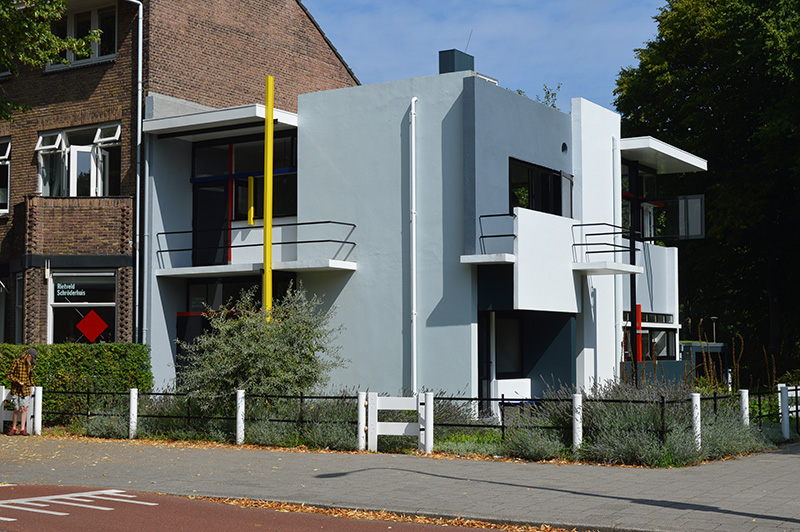
Built in 1924, the Schröder House is located in Utrecht. Its address is Prins Hendriklaan 50, a typical Dutch street lined with brick façade buildings on both sides. In this context, the Schröder House stands out from its neighbours. It is no surprise that, since its completion, the house has always attracted admirers and curious onlookers.
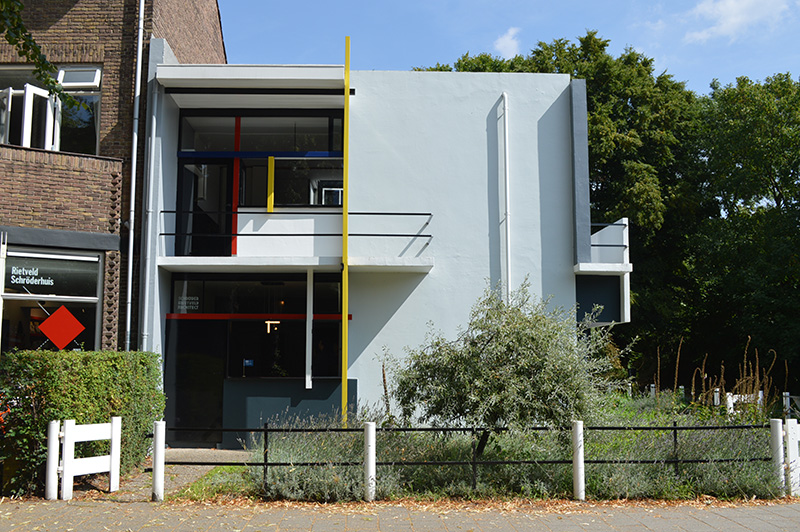
They say that a good client makes a good project, and this case was no exception. The owner, Truus Schröder (1889–1985), built this house to live in with her three children and actively participated in the design process with Rietveld.
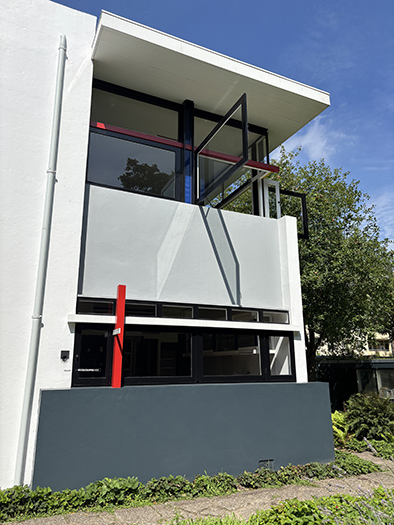
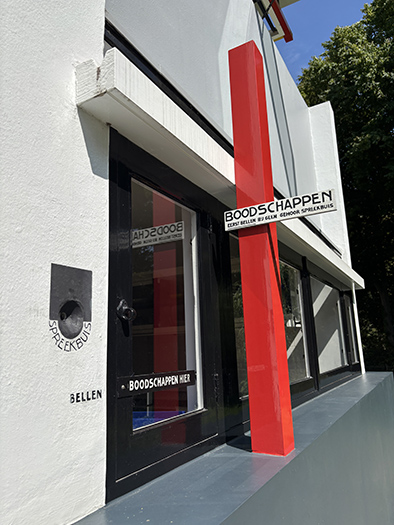
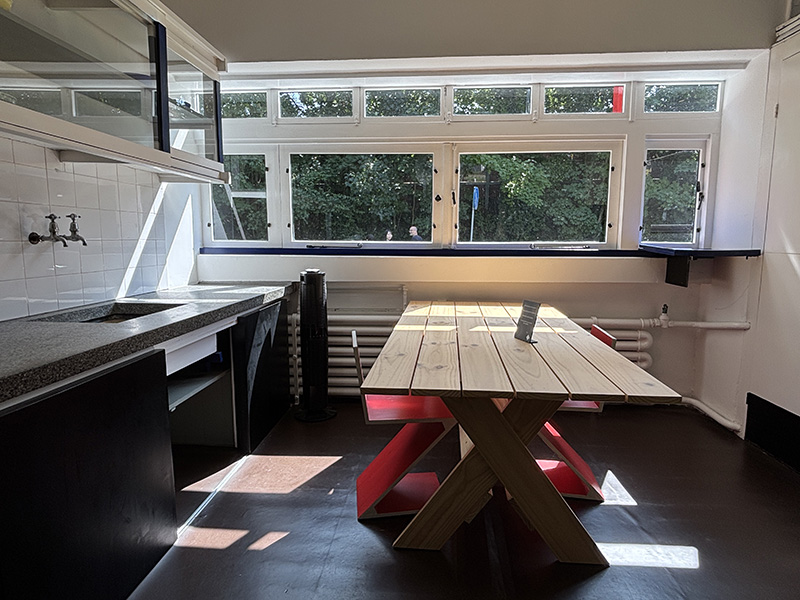
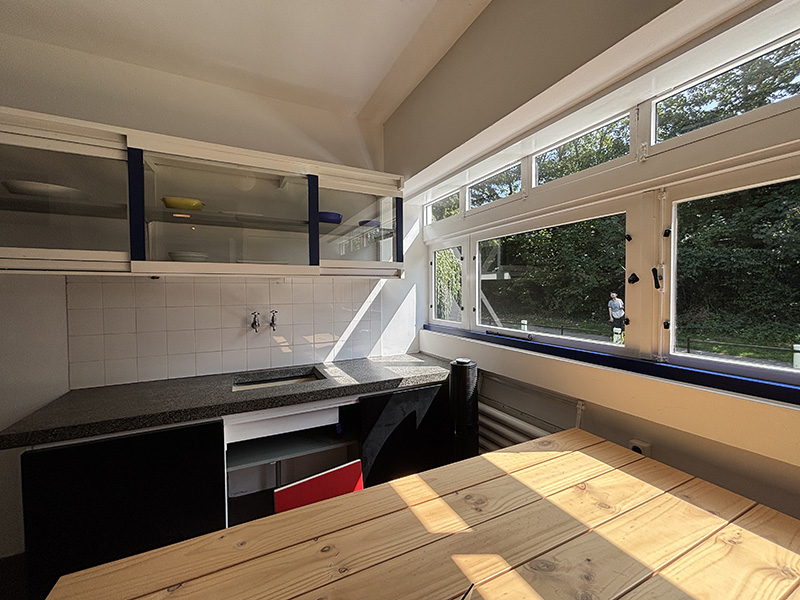
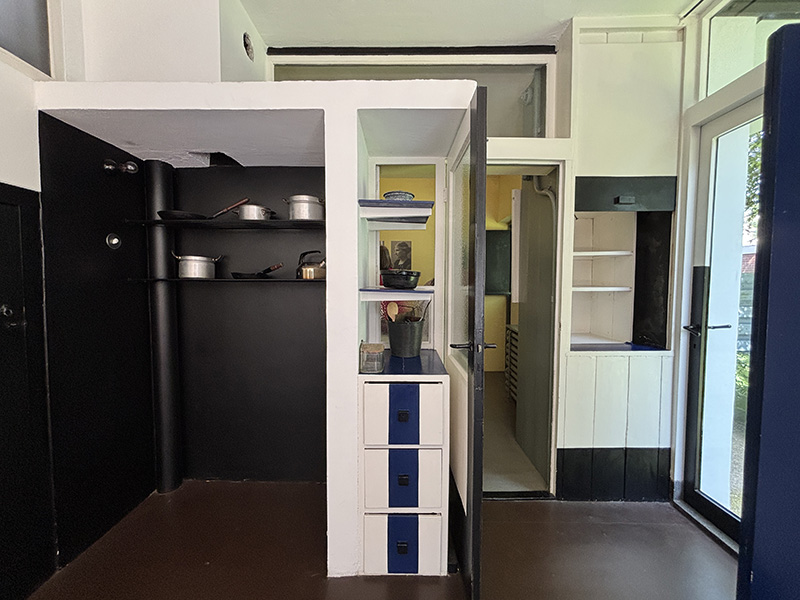
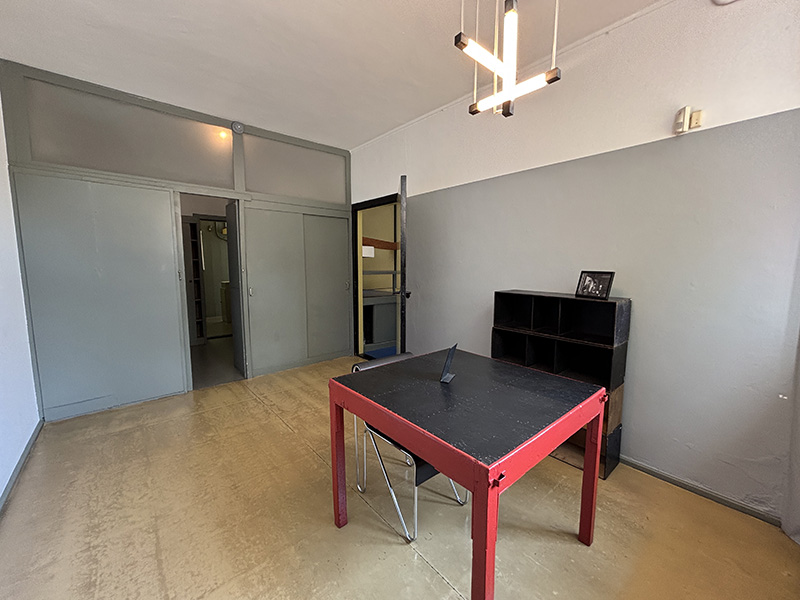
The ground floor of the residence was completed first, and the family moved in while the second floor was still being finished. This floor houses the kitchen, a bedroom, and a studio, which for a while served as the Schröder-Rietveld architecture office. As the office grew and the space no longer met its needs, it was moved to another location in the city centre.
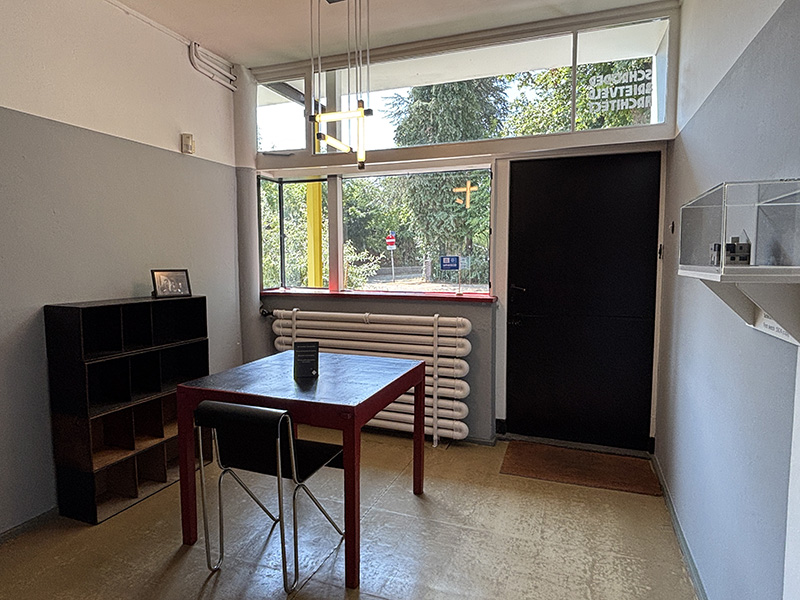
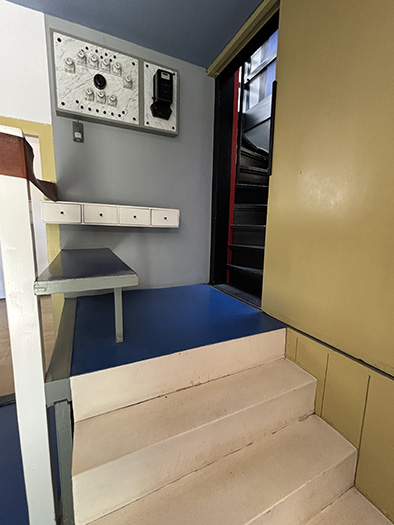
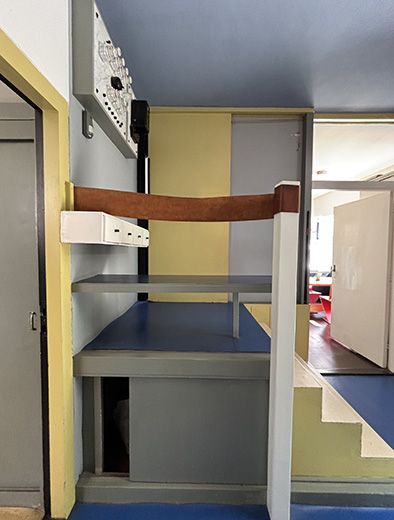
The hall with the staircase leading to the second floor could be a mere passageway, but it is highly sophisticated in its details. I would highlight, for example, the bench on the landing, with its unique backrest.
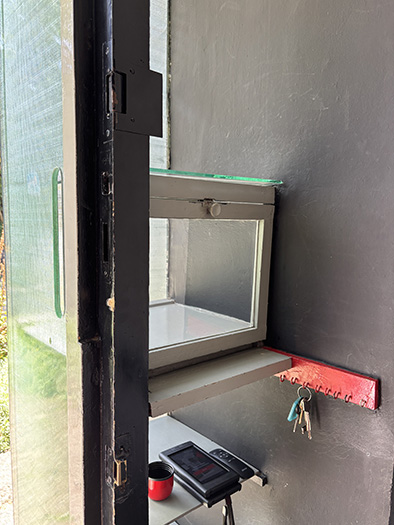
Anothe example is the key hanger pained in pink. It stands out because of its colour, so that the person leaving the house does not forget to take their key. The letterbox next to it is transparent, so you can see when a letter arrives.
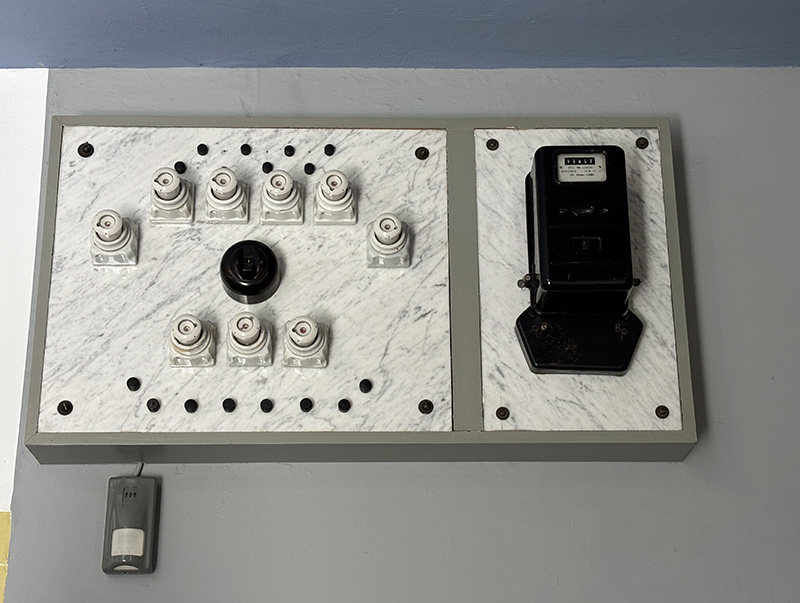
The electrical panel occupies a prominent place. It can be seen as soon as you enter the house through the main door. It is not camouflaged, but rather enhanced and beautifully designed.
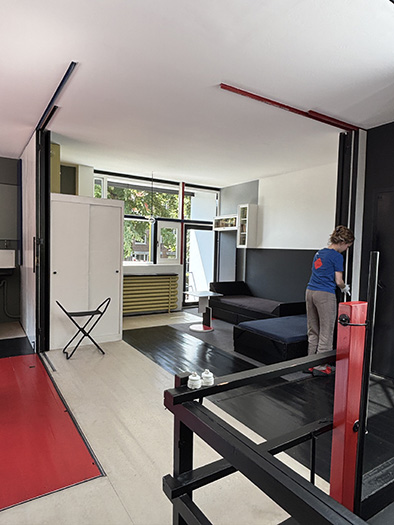
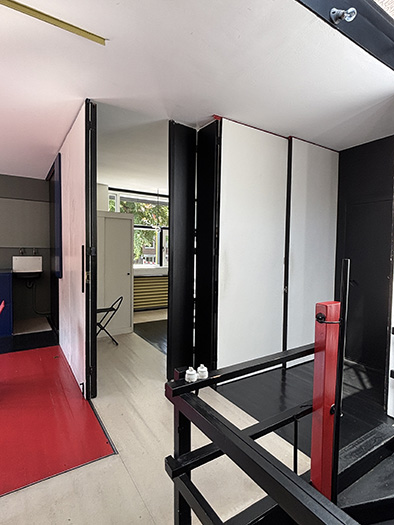
When the upper floor was completed, it became the main living space in the house. Its internal layout featured sliding panels which, when opened, transformed the space into a large common area. In the evenings, when these were closed, the space was subdivided into two bedrooms for the children and one bedroom for Truus, where she also had her work station.
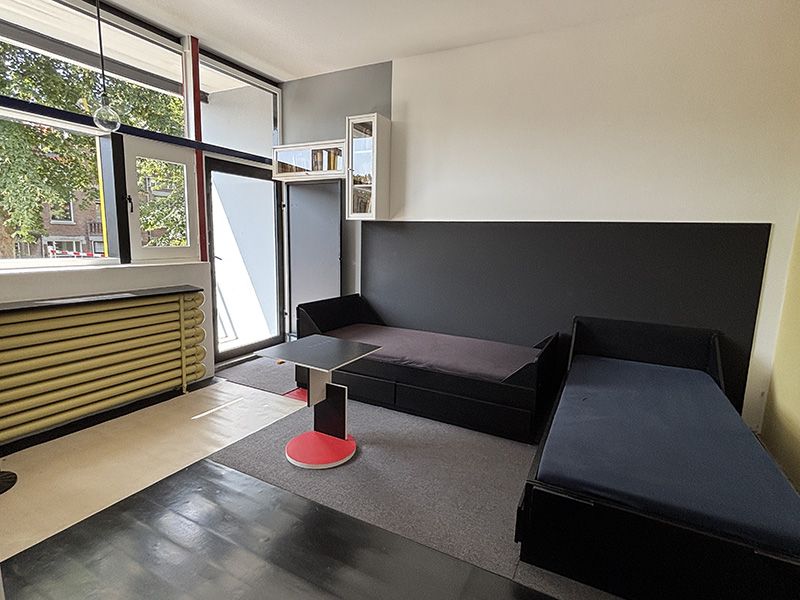
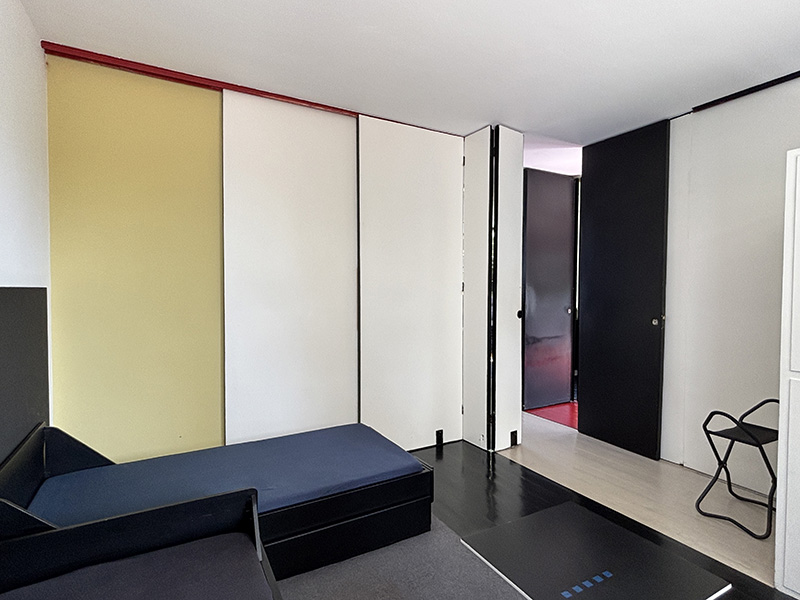
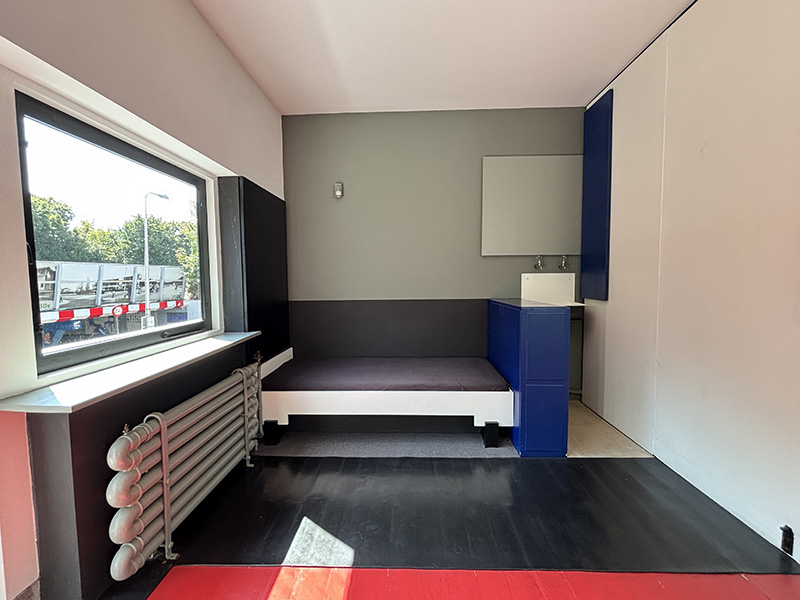
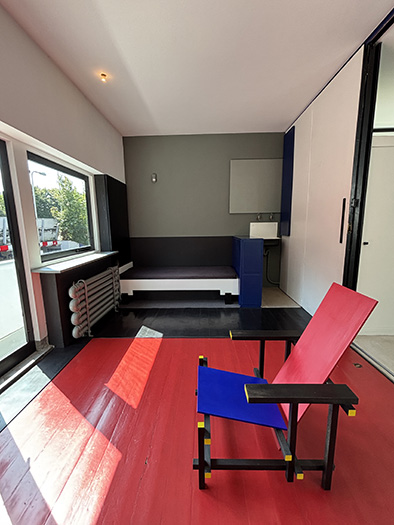
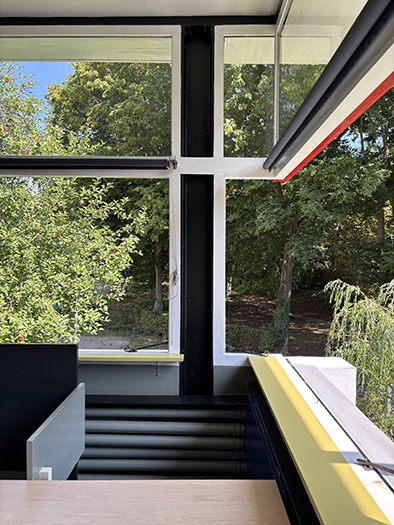
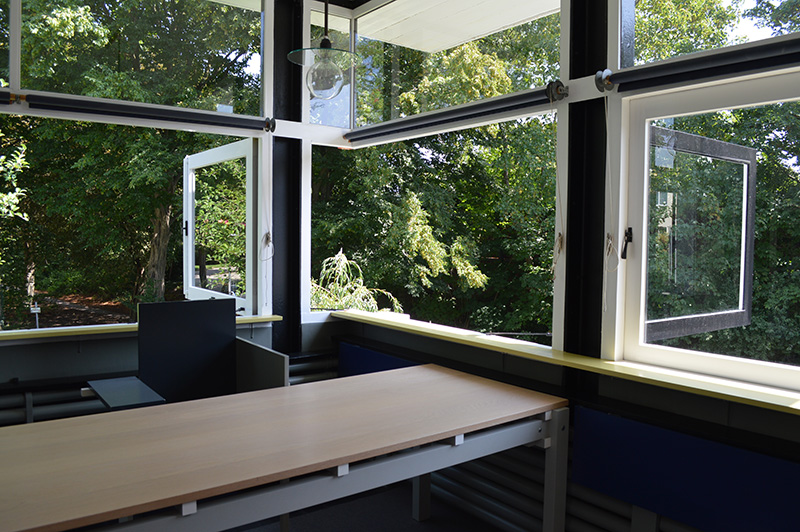
The space has large windows, including in the corners, which allow plenty of natural light to enter.
During the visit, visitors were asked to wear shoe covers to protect the floor. Upstairs, an employee showed us how the mechanism for opening and closing the panels worked. The optimisation of space is impressive, but indeed it is not very practical to have to open and close the rooms every day.
Listed as a UNESCO World Heritage Site in 2000, the Schröder House is a must-see. It is a true lesson in architectural design, especially because of the richness and ingenuity of its details. The house is about a 20-minute bus ride from Utrecht Central Station. It is necessary to book your visit in advance. Here is a link where you can find more information about the site and book your ticket: Rietveld Schröderhuis