In my last text, I wrote about Tadao Ando’s (many!) museum projects at Naoshima Island. Today’s text is about another museum also designed by the architect, the 21_21 design sight.
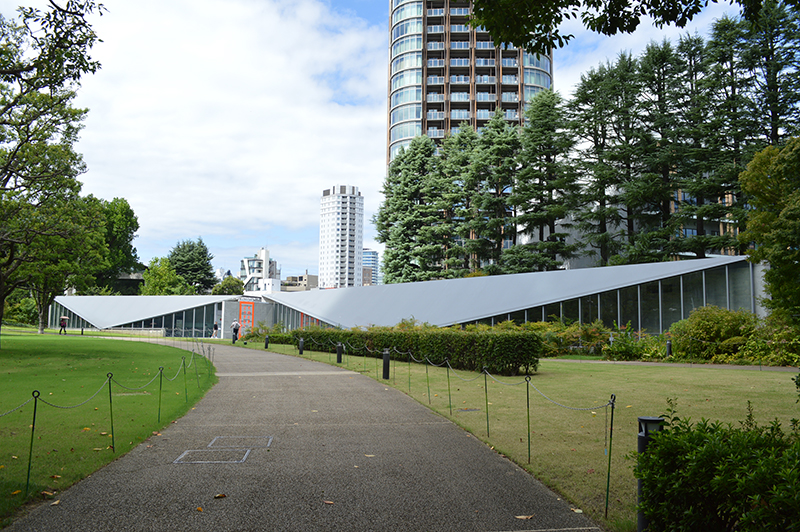
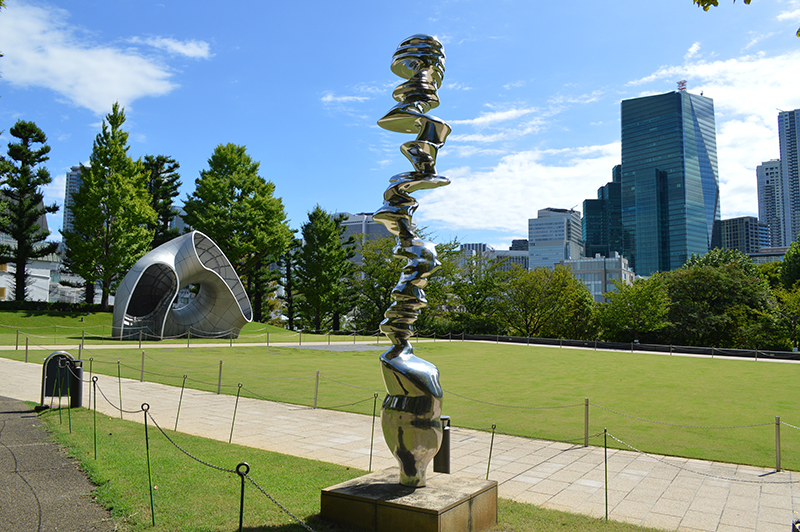
Open in 2007, the museum is set close to Hinokicho Park, in Tokyo. As we approached it, we spotted a few sculptures in the surrounding green space. 21_21 design sight has a predominantly horizontal form, thus establishing a contrast with the towers on the background landscape.
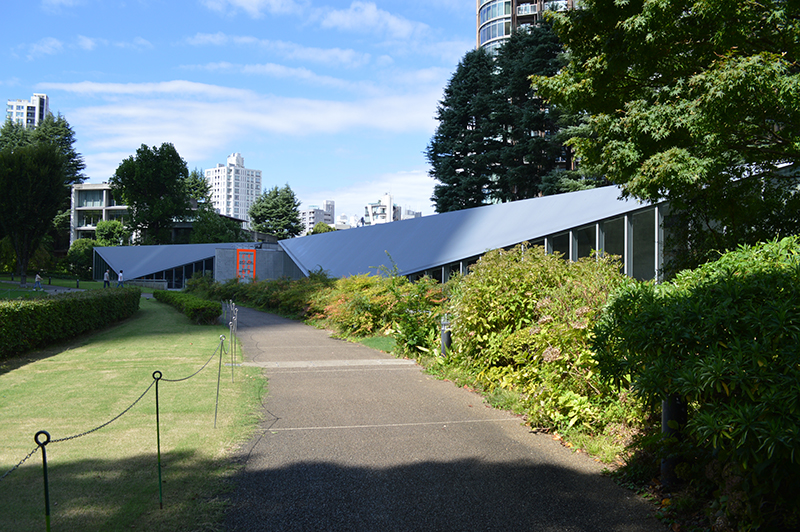
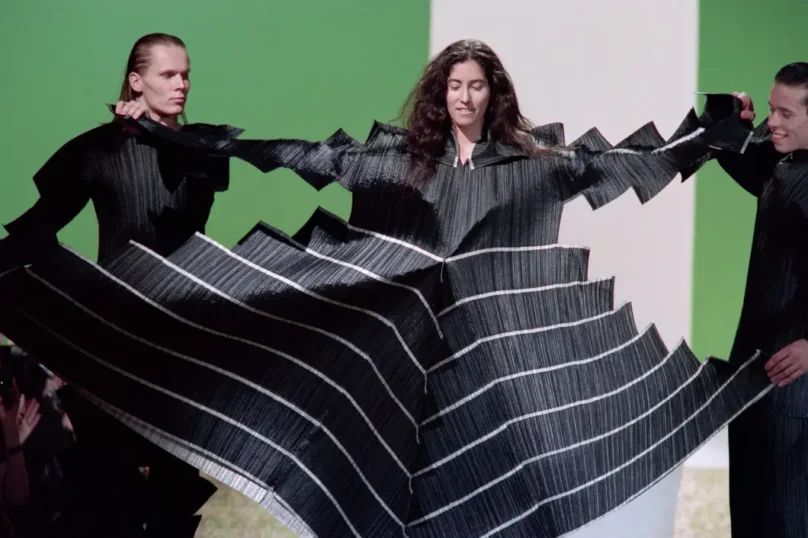
21_21 Design Sight aims to showcase the most innovative examples of contemporary Japanese design. One of the cultural centre’s founders was the fashion designer Issey Miyake. Miyake’s iconic pleated creations even served as inspiration for the architectural design. The building’s roofs resemble folds, also evoking the Japanese art of origami.
The main entrance is in the center, between the two volumes on the ground floor. On one side, there is Gallery 3, which hosts temporary exhibitions. On the opposite side are the ticket office, the shop and the access to the other galleries underground.
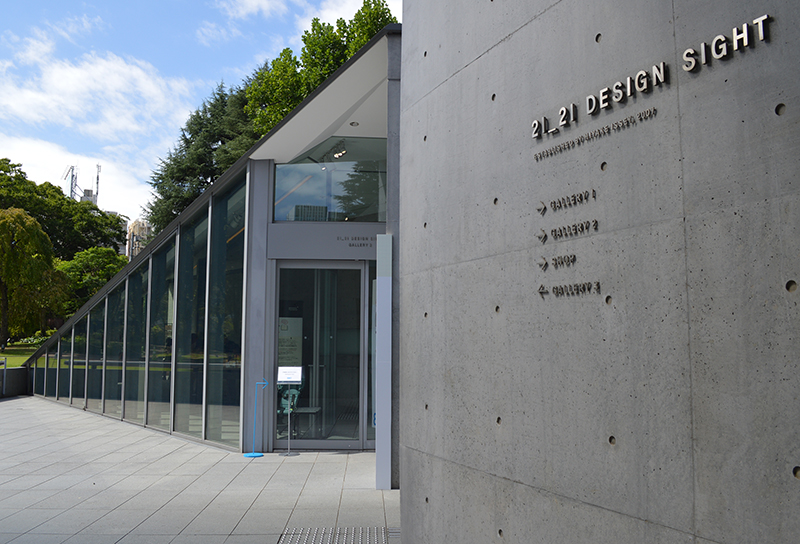
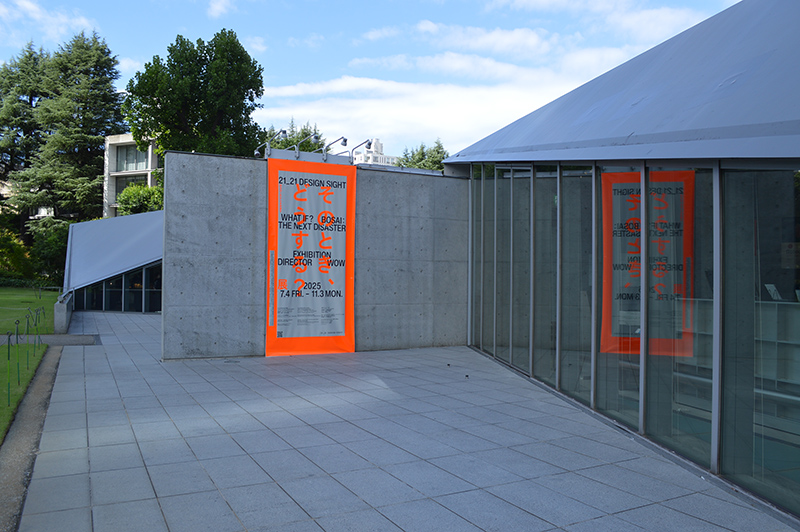
In the article about Ando’s architecture in Naoshima, I mentioned that in projects such as the Benesse House Museum or the Chichu museum, the architect sought to integrate the building with the surrounding landscape. 21 _ 21 design sight, followed the same principle by placing galleries 1 and 2 underground.
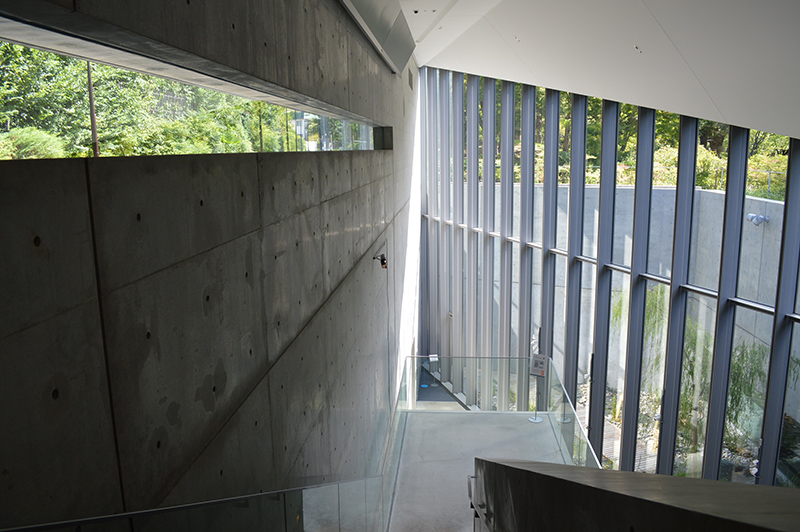
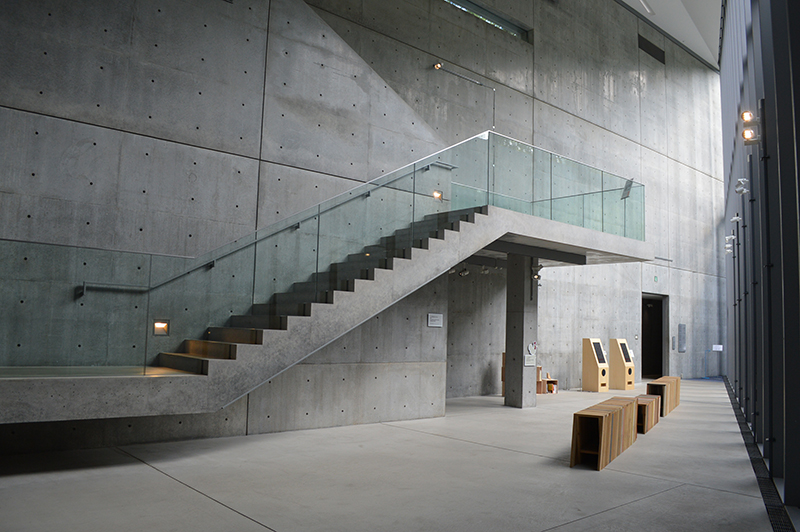
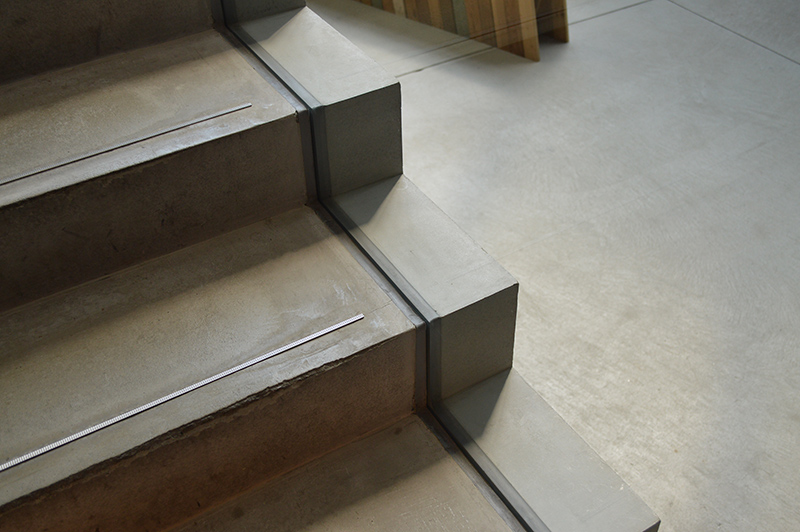
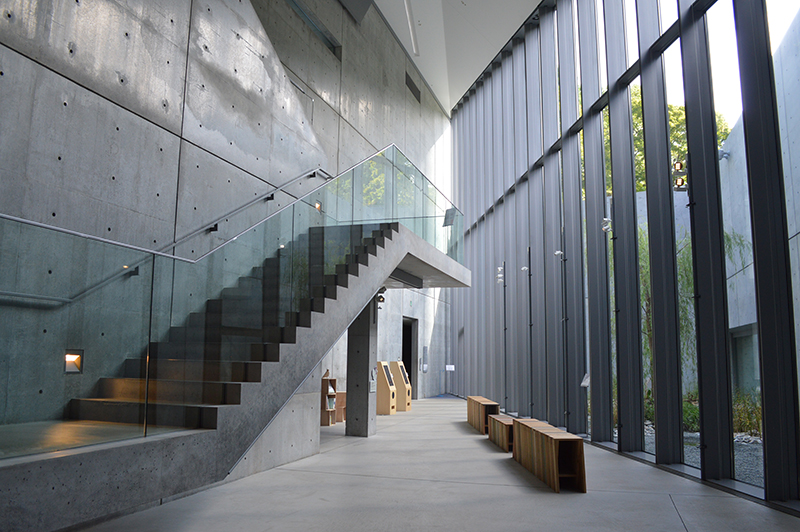
Access to the lower level is through a magnificent staircase in exposed concrete.
Natural light enters the underground spaces through an internal garden. The garden can be seen from inside some of the galleries, allowing visitors to enjoy the sight of nature whilst admiring the design pieces on display. When I visited the museum, the exhibition was about design for disasters.
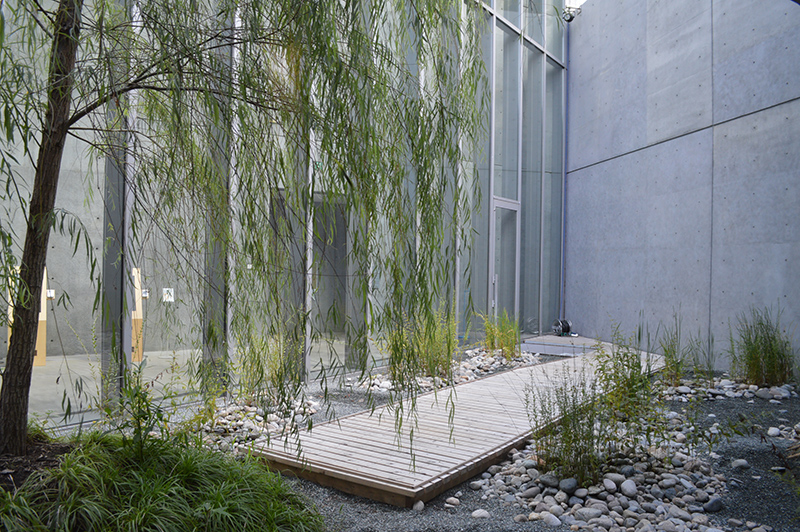
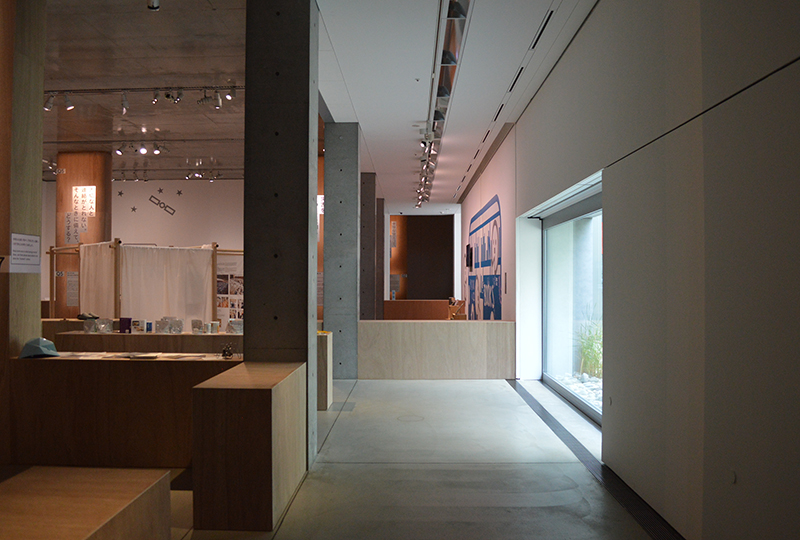
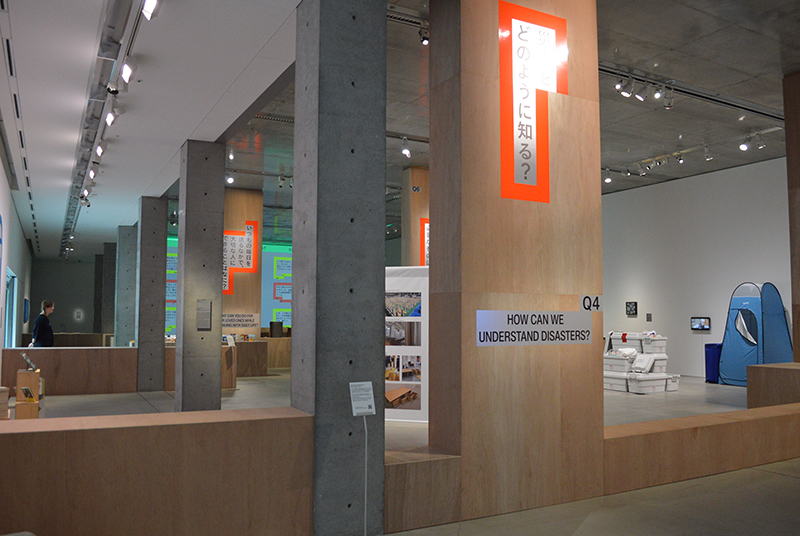
The exposed raw concrete, characteristic of Ando’s architecture, is present throughout the project. The façade facing the internal garden consists of a metal frame with fixed glass panels.
With just 686 square metres of exhibition space, it is a small but beautiful museum. A centre that brings together the best of Japanese design, ranging from architecture to fashion.